The historical evolution of gambling From ancient rituals to modern attractions
- February 2, 2026
- Public
- No Comments
The historical evolution of gambling From ancient rituals to modern attractions
Origins of Gambling: Ancient Rituals
The origins of gambling can be traced back to ancient civilizations, where it was often intertwined with religious and cultural practices. In ancient China, around 2300 BC, tiles discovered from this era suggest that rudimentary games of chance were played, potentially as a form of divination. Similarly, in Mesopotamia, people used dice made from animal bones, indicating that games of chance were a popular pastime. While exploring these developments, it’s important to consider how modern options like casino apple pay have transformed the industry.
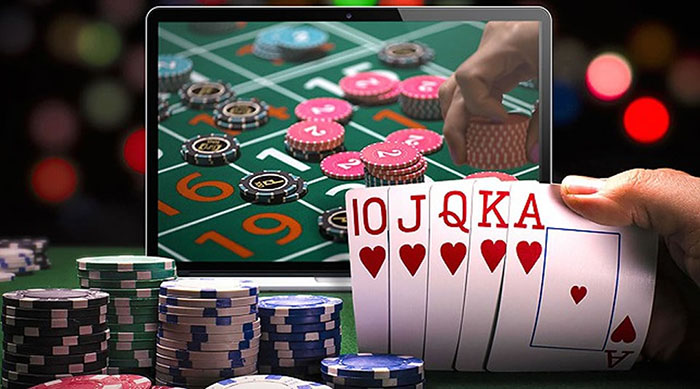
These early forms of gambling were not solely about winning or losing money but were often associated with rituals and societal bonding. In many cultures, games were used to determine the favor of the gods or to make crucial decisions within the community. This spiritual connection to gambling would evolve, yet the allure of risk and chance has remained a constant throughout history.
The Roman Empire and Organized Betting
The Roman Empire marked a significant evolution in gambling, as it introduced more organized forms of betting. Citizens engaged in wagering on gladiatorial contests, chariot races, and other public spectacles. These events attracted large crowds, and betting became a communal activity that fostered social interaction and entertainment.
Furthermore, the Romans established regulations around betting, which included laws that sought to protect both bettors and the integrity of the games. The legalization of certain types of gambling during this time laid the groundwork for more sophisticated betting systems and helped formalize gambling as an accepted aspect of society.
The Influence of the Middle Ages
During the Middle Ages, gambling took on new forms, often influenced by the socio-political climate of the time. Despite the Church’s efforts to curb gambling, many forms, such as dice games and card games, thrived in Europe. The development of playing cards in the 14th century introduced new dynamics to the gambling scene, leading to the emergence of games that would later become staples in casinos.
This period also saw the rise of gambling houses, where individuals could wager on various games in a controlled environment. These establishments became increasingly popular, providing a safe space for gambling while further solidifying its place in social life. The evolution of gambling during this time mirrored broader societal changes, as people sought entertainment amid political and economic turmoil.
The Rise of Casinos and Modern Gaming
The 17th and 18th centuries marked the birth of the modern casino. The establishment of the first official casino in Venice in 1638 revolutionized gambling, transforming it into a glamorous and structured activity. This era also saw the development of various table games, such as roulette and baccarat, which remain popular in today’s casinos.
As gambling spread across Europe and later to the Americas, it became synonymous with luxury and leisure. The advent of the Industrial Revolution brought about significant changes, making gambling more accessible to a wider audience. The proliferation of gaming establishments in cities like Las Vegas and Atlantic City solidified gambling’s status as a mainstream entertainment form.

Online Gambling: The New Frontier
The advent of the internet in the late 20th century marked a revolutionary shift in the gambling landscape. Online casinos emerged, allowing players to gamble from the comfort of their homes, significantly broadening the audience. This digital transformation brought with it a myriad of games and betting options, attracting both seasoned gamblers and newcomers.
Today, online gambling platforms prioritize security and convenience, making it easier for users to engage in various forms of betting. As technology continues to evolve, innovations like mobile gambling apps and live dealer games further enhance the gaming experience, bridging the gap between traditional and modern gambling.