The evolution of casinos tracing their historical journey
- April 21, 2026
- Public
- No Comments
The evolution of casinos tracing their historical journey
The Origins of Gambling
The practice of gambling can be traced back to ancient civilizations, where evidence suggests that various games of chance were prevalent. Archaeological findings indicate that as early as 3000 BC, the Chinese were engaging in gambling activities, utilizing rudimentary dice and betting on events. In ancient Rome, gambling was a popular pastime among citizens, often tied to the outcomes of gladiatorial contests and other spectacles. For any inquiries, players can reach out through our contact form at https://chicken-road-game.co.ke/contacts/, allowing for feedback to ensure the evolution of more structured gambling establishments.
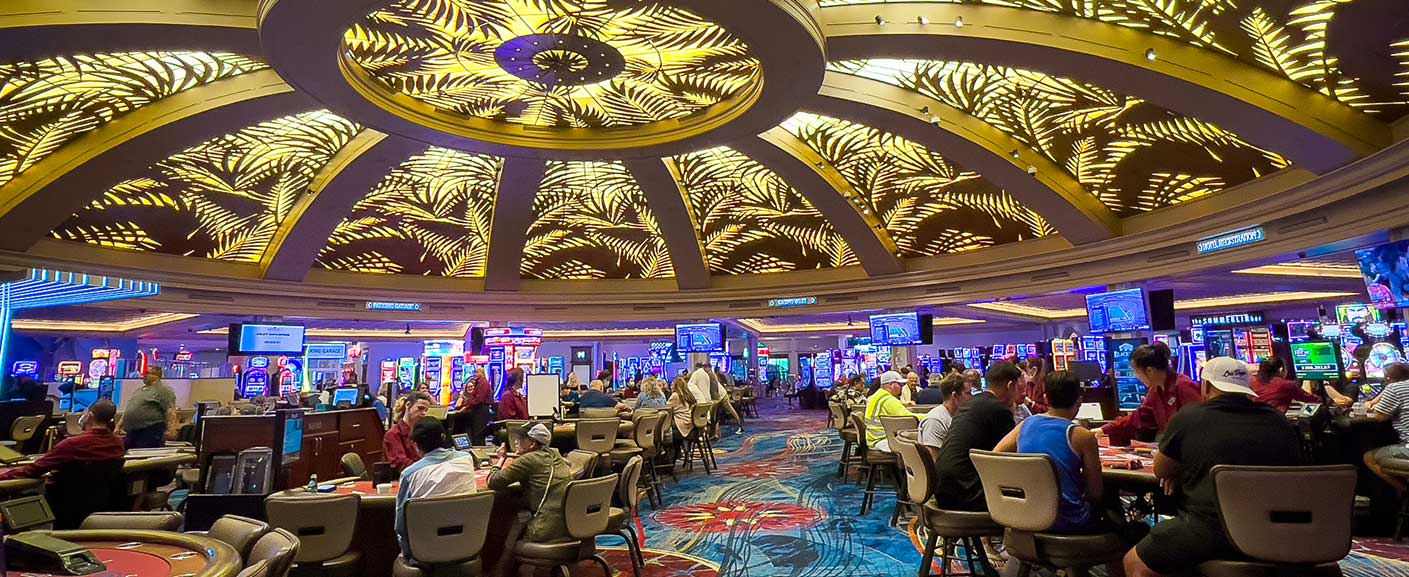
As societies progressed, gambling began to intertwine with cultural and social practices. The Greeks developed sophisticated betting systems, often linked to athletic competitions, which added an element of strategy to the games. During the Middle Ages, gambling spread through Europe, leading to the establishment of informal betting houses. These rudimentary venues signified the transition from casual gambling to organized betting, paving the way for modern casinos.
By the Renaissance period, gambling had become an integral aspect of social life, culminating in the establishment of the first official gaming houses. These early establishments, often luxurious in design, catered to the nobility and wealthy classes, who sought entertainment and social status. The emergence of these venues marked a significant milestone in gambling history, setting the stage for the casinos we recognize today.
The Birth of Modern Casinos
The 17th century marked a turning point with the opening of the first official casino in Venice, Italy, known as the Ridotto. This establishment operated under government regulation and offered a controlled environment for gambling, which attracted a diverse clientele. It featured games like baccara and various forms of dice and card games, establishing a model for future casinos. The success of the Ridotto laid the groundwork for the proliferation of casinos across Europe.
As the 19th century progressed, the casino concept gained popularity in France, leading to the establishment of renowned casinos in cities such as Monte Carlo. The Casino de Monte-Carlo, opened in 1863, became a symbol of luxury and high-stakes gambling, drawing aristocrats and celebrities from around the globe. This era also saw the introduction of roulette, a game that remains a staple in modern casinos, enhancing the allure of gaming establishments.
The American scene experienced a parallel evolution, with the establishment of gambling houses in cities like New Orleans during the early 19th century. The Wild West introduced a unique style of gambling, often characterized by saloons and informal betting environments. However, it was the arrival of Las Vegas in the 20th century that redefined the casino landscape, turning it into a global entertainment hub and setting the standard for modern gaming venues.
The Rise of Online Casinos
The late 20th century saw the rise of the internet, revolutionizing many industries, including gambling. The introduction of online casinos in the mid-1990s marked a significant shift in how people engaged with gambling. Players could now access a variety of games from the comfort of their homes, eliminating the need for physical travel to traditional casinos. This convenience transformed the gambling experience, making it accessible to a broader audience.
Online casinos quickly adopted technology to enhance user experiences, offering live dealer games, video slots, and mobile gaming options. This technological innovation attracted a younger demographic, eager for new forms of entertainment. Additionally, online platforms often feature promotions and bonuses that traditional casinos cannot match, further incentivizing players to shift their gambling habits.
As regulations began to catch up with technological advancements, many jurisdictions established frameworks for online gambling. This legitimization of online casinos contributed to their growth, allowing them to flourish alongside their brick-and-mortar counterparts. The integration of secure payment methods and responsible gaming features further fostered trust among players, solidifying the online casino’s place in the gambling industry.
The Cultural Impact of Casinos
Casinos have not only transformed the gambling landscape but have also significantly impacted culture and society. They have emerged as entertainment complexes, incorporating dining, shopping, and live performances, creating a holistic experience for visitors. This evolution has turned casinos into destinations rather than mere gambling venues, driving tourism and economic development in many regions.
Moreover, casinos have often been at the center of popular culture, inspiring films, literature, and music. Iconic movies like “Casino Royale” and “Ocean’s Eleven” depict the glamor and thrill associated with casinos, shaping public perceptions and enticing individuals to explore these establishments. The imagery of lavish casinos has entered the cultural zeitgeist, further fueling their allure.
The social dynamics of casinos have also evolved, reflecting broader societal changes. They have become venues for gatherings, celebrations, and business events, offering a space for social interaction and networking. Additionally, the rise of responsible gaming initiatives has prompted casinos to adopt measures that promote safer gambling practices, emphasizing the importance of player welfare in today’s entertainment landscape.
The Future of Casinos
As the gambling industry continues to evolve, the future of casinos appears promising yet complex. The ongoing integration of advanced technologies, such as virtual reality and artificial intelligence, is set to redefine the casino experience. These innovations aim to create immersive environments where players can engage with games in unprecedented ways, pushing the boundaries of traditional gambling.
Moreover, the continued rise of online gambling poses challenges and opportunities for physical casinos. As players increasingly favor the convenience of online platforms, traditional casinos may need to innovate to retain their customer base. This could involve enhancing on-site experiences, implementing loyalty programs, and providing unique offerings that cannot be replicated online.
Additionally, the global conversation around responsible gaming will likely shape the future of casinos. As awareness of gambling-related issues grows, casinos will need to prioritize player safety and adopt best practices that ensure a sustainable gambling environment. This focus on responsibility will not only bolster public trust but also contribute to the long-term viability of the casino industry.

The Chicken Road Game Experience
In today’s diverse gaming landscape, platforms like Chicken Road Game in Kenya offer an exciting avenue for players seeking engaging online experiences. This innovative platform is designed for users aged 18 and above, promoting responsible gaming in a safe and enjoyable environment. The emphasis on fair play ensures that all players can engage without concerns about fairness or integrity.
As the online gaming community grows, Chicken Road Game stands out by creating an immersive experience that combines entertainment with community interaction. Players can easily connect through forums and social features, enhancing the overall enjoyment of the gaming experience. The platform’s commitment to user satisfaction reflects the evolving nature of online casinos, catering to the needs of modern players.
Ultimately, the Chicken Road Game exemplifies the intersection of tradition and innovation in the gambling industry. By embracing technology while prioritizing player safety, it fosters a vibrant gaming culture that aligns with the values of today’s responsible gamers. This approach not only enriches the gaming experience but also contributes to the ongoing evolution of casinos in the digital age.